 By llew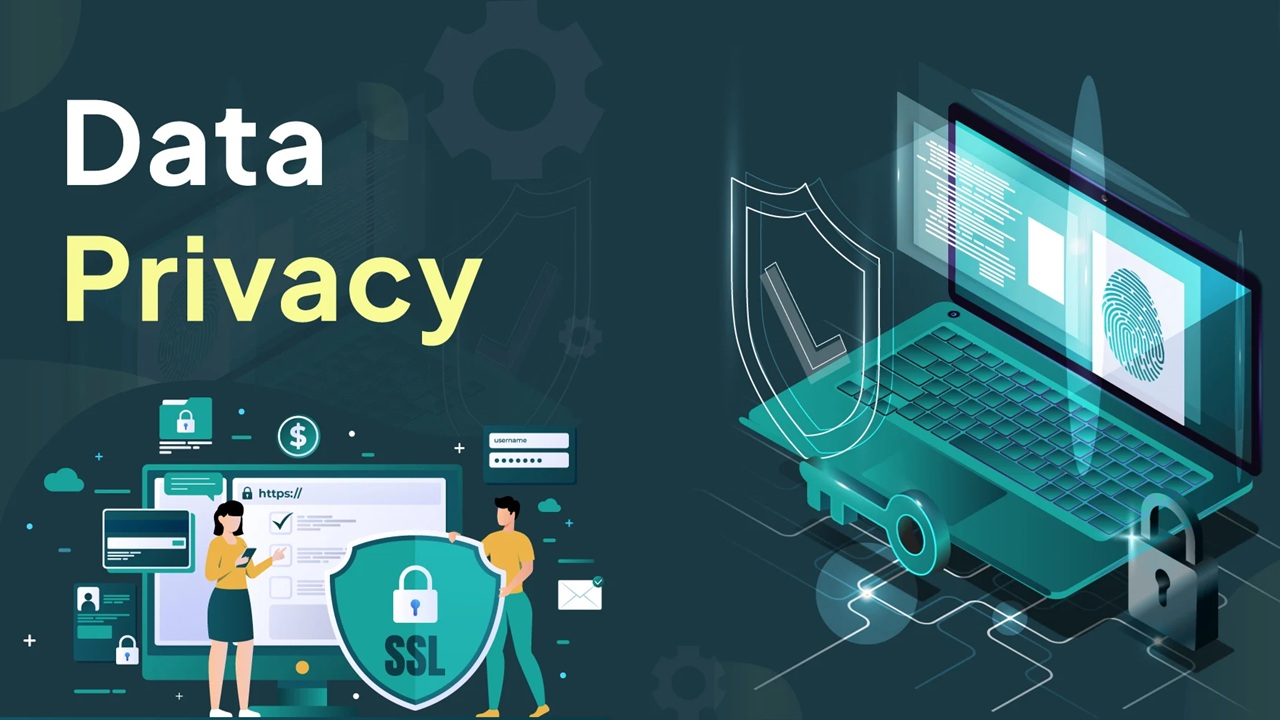
Every few weeks, headlines report another major data breach. Millions of passwords exposed. Personal photos leaked. Financial details sold on the dark web. At the same time, cameras, tracking tools, and smart devices quietly collect information about our daily lives. It is no longer a distant problem. Privacy has become a personal issue for everyone who uses the internet.
In simple terms, privacy is the right to control your personal information and decide who can access it. It means having boundaries around your data, identity, and personal life.
Privacy matters today more than ever because almost everything we do leaves a digital footprint. From online shopping to social media posts, our data is constantly being collected and analyzed.
In this article, you will learn what privacy really means, why it is so important, the risks we face online, global privacy laws, and practical steps you can take to protect yourself in an increasingly connected world.
What Is Privacy? Clear Definition and Types
Privacy is the ability to keep your personal information, thoughts, communications, and activities from being accessed or shared without your permission. It gives individuals control over their own data and personal boundaries.
There are several important types of privacy:
Personal privacy refers to physical space and personal boundaries. For example, no one should enter your home or read your diary without consent.
Data privacy focuses on how organizations collect, store, and use your personal information such as your name, phone number, and browsing history.
Online privacy involves protecting your activities on the internet, including searches, emails, and social media interactions.
Financial privacy protects banking details, credit card numbers, and transaction history.
Medical privacy ensures that health records and medical conditions remain confidential between you and your healthcare provider.
Real world examples make this clearer. If a hacker steals your credit card details, that is a violation of financial privacy. If a company sells your browsing data without telling you, that is a data privacy issue. If someone accesses your private messages, that is a breach of personal and online privacy.
Why Privacy Matters More Than Ever
Privacy is not just about secrecy. It is about safety, dignity, and control.
One of the biggest risks today is identity theft. When criminals gain access to your personal data, they can open bank accounts, apply for loans, or commit fraud in your name.
Companies also collect massive amounts of user data. Sometimes this data is used responsibly. Other times, it is shared with third parties or used to manipulate purchasing decisions through targeted advertising.
Government surveillance is another concern. In some regions, citizens are monitored through digital tracking systems and facial recognition technologies.
Artificial intelligence has intensified these issues. AI systems rely on enormous datasets to learn and improve. That often means collecting user behavior, images, voice recordings, and location data.
Social media adds another layer of exposure. Oversharing personal details can lead to harassment, stalking, or reputational damage.
Beyond financial harm, privacy violations can cause anxiety and psychological stress. Feeling constantly watched changes how people behave. Privacy protects not just information, but freedom.
Types of Privacy in the Digital World
Digital life has expanded the meaning of privacy. Today, protecting yourself means understanding multiple layers of exposure.
Internet privacy involves safeguarding browsing history, search queries, and online activity from tracking by websites and advertisers.
Social media privacy concerns what you post, who can see your content, and how platforms use your data. A simple photo upload may reveal location data without you realizing it.
Email privacy protects personal and professional communications. Unencrypted emails can be intercepted or accessed by unauthorized parties.
Cloud storage privacy relates to files stored online, such as documents and photos. Weak passwords or poor security settings can expose sensitive data.
Smartphone privacy includes location tracking, app permissions, and microphone or camera access. Many apps request more permissions than they actually need.
Smart devices and IoT privacy involve gadgets like smart speakers, fitness trackers, and home security cameras. These devices constantly collect data to function effectively.
For example, a fitness tracker may monitor your heart rate and sleep patterns. A smart speaker may record voice commands. While convenient, these tools also create data trails that must be managed carefully.
Common Threats to Online Privacy
Understanding privacy threats helps you avoid them.
Data breaches occur when hackers infiltrate company databases and steal user information. Even trusted brands have suffered large scale breaches.
Phishing attacks trick users into revealing passwords or financial details through fake emails or websites that look legitimate.
Malware and spyware secretly install on devices to monitor activity, capture keystrokes, or steal files.
Tracking cookies follow users across websites to build detailed profiles of browsing behavior. While some cookies improve user experience, others collect excessive data.
Public WiFi risks are often underestimated. Open networks at cafes or airports can allow attackers to intercept sensitive information.
Social engineering manipulates people into giving up confidential data. Instead of hacking systems, attackers exploit human trust.
For instance, receiving a message that appears to be from your bank asking you to confirm account details is a common tactic. One careless click can compromise years of digital security.
Privacy Laws and Regulations Around the World
Governments have introduced regulations to address growing privacy concerns.
The General Data Protection Regulation in Europe sets strict rules on how companies collect and process personal data. It gives users rights such as accessing their data and requesting deletion.
The California Consumer Privacy Act provides residents of California the right to know what personal information is collected and to opt out of data sales.
India introduced the Digital Personal Data Protection Act, aiming to regulate how organizations handle digital personal data and strengthen user consent requirements.
The Health Insurance Portability and Accountability Act in the United States protects medical information from unauthorized disclosure.
These regulations matter because they hold organizations accountable. They require transparency and give users legal rights over their information.
However, enforcement varies across regions. Users should understand their local privacy rights and actively exercise them when necessary.
How Companies Collect and Use Your Data
Most online services are not truly free. Users often pay with data instead of money.
Websites use cookies to track browsing behavior and remember preferences. While some cookies are essential, others collect marketing data.
Data brokers gather information from multiple sources and sell detailed consumer profiles to advertisers and businesses.
Targeted advertising relies on analyzing search history, purchase patterns, and even time spent viewing certain content.
AI systems are also trained using vast amounts of publicly available and user generated data. This raises questions about consent and transparency.
Many users click “agree” to lengthy privacy policies without reading them. Hidden within those terms are permissions that allow companies to collect and share personal data.
Understanding how data is collected empowers individuals to make informed choices.
How to Protect Your Privacy Online
Protecting your privacy does not require technical expertise. Small consistent actions make a significant difference.
Use strong, unique passwords for each account. A password manager can help generate and store them securely.
Enable two factor authentication wherever possible. This adds an extra layer of protection beyond your password.
Consider using a virtual private network when accessing public WiFi. It encrypts your internet traffic and reduces interception risks.
Choose privacy focused browsers and search engines that limit tracking.
Use encrypted messaging apps for sensitive conversations. Encryption ensures only the intended recipient can read your messages.
Regularly review and adjust privacy settings on social media platforms. Limit who can see your posts and personal details.
Avoid oversharing. Before posting, ask yourself whether the information could be misused.
Secure your home WiFi with strong encryption and change default router passwords.
Finally, stay informed. Cyber threats evolve quickly, and awareness is your first line of defense.
Privacy vs Security: What Is the Difference?
Privacy and security are related but not identical.
Privacy is about controlling who has access to your information. Security is about protecting that information from unauthorized access.
Think of privacy as the curtains on your windows and security as the locks on your doors. Curtains keep people from seeing inside. Locks prevent them from entering.
You need both. Strong security without privacy controls can still lead to excessive data collection. Privacy without security leaves data vulnerable to theft.
Together, they create a safer digital environment.
The Future of Privacy in an AI Driven World
Artificial intelligence is transforming how data is collected and analyzed.
AI systems can process facial recognition data, voice patterns, and behavioral trends at massive scale. Biometric surveillance is becoming more common in airports, workplaces, and public spaces.
Deepfake technology introduces new risks. Manipulated videos and images can damage reputations and spread misinformation.
At the same time, there is growing emphasis on privacy by design. This approach encourages companies to build products with privacy protections from the beginning rather than as an afterthought.
Ethical AI development focuses on transparency, consent, and fairness in data usage.
The future of privacy will depend on balancing innovation with responsibility. Technology should serve people, not exploit them.
Frequently Asked Questions About Privacy
What is privacy in simple words?
Privacy is the right to keep your personal information and activities under your control and away from unwanted access.
Why is privacy important?
Privacy protects your identity, finances, safety, and personal freedom. Without it, individuals become vulnerable to fraud and manipulation.
How can I protect my data online?
Use strong passwords, enable two factor authentication, avoid suspicious links, adjust privacy settings, and secure your internet connection.
What are privacy rights?
Privacy rights allow individuals to access, correct, delete, or restrict how their personal data is used, depending on local laws.
Is social media safe?
Social media can be safe if used carefully. Limiting personal information and reviewing privacy settings reduces risks.
What is data privacy?
Data privacy focuses on how personal information is collected, stored, and shared by organizations and digital platforms.
Final Thoughts: Why Privacy Is a Personal Responsibility
Privacy in the digital age is not just a technical issue. It is a daily habit. From the passwords you create to the information you share, every decision shapes your digital footprint.
Laws and regulations provide important protections, but they cannot replace personal awareness. Companies will continue collecting data. Technology will continue evolving.
The real power lies with informed users.