Gold Jewelry Names & How to Identify Authentic Pieces
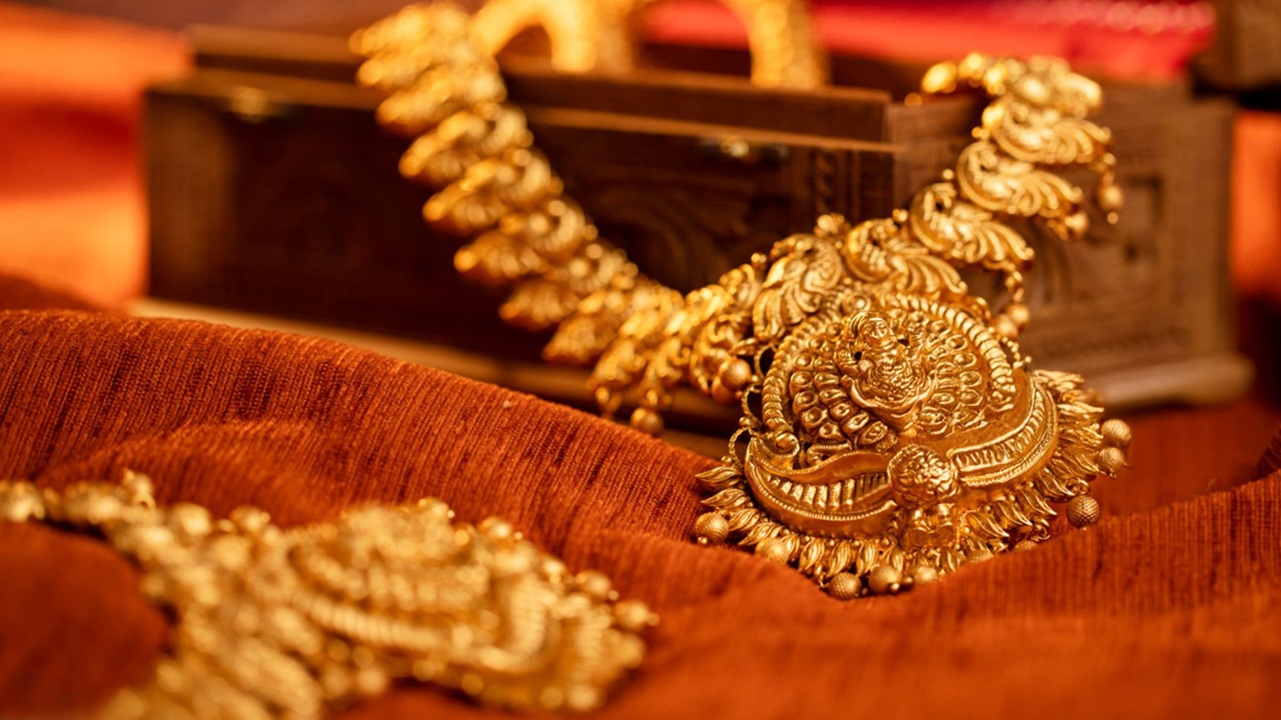
Have you ever wondered if that shiny bracelet you just bought is genuine gold or just gold-plated? You’re not alone—millions of people face this uncertainty every year. With the rise of imitation jewelry and the increasing cost of gold, knowing how to identify authentic pieces has never been more important.
Proper identification is crucial for several reasons. First, it ensures you are paying the right price for your jewelry, protecting your investment. Second, it guarantees authenticity, so you won’t end up with a fake item that could lose value over time. Finally, it safeguards health, as low-quality or fake jewelry can cause skin reactions or allergies.
In this guide, we will walk you through everything you need to know—from understanding gold purity and types to identifying authentic pieces, recognizing popular jewelry names, and learning maintenance tips. By the end, you’ll be equipped to make confident choices, whether you’re buying, selling, or simply admiring gold jewelry.
Understanding Gold Purity and Types
Gold is rarely used in its pure 24K form for jewelry because it is too soft to hold shapes or designs. That’s where the karat system comes in—a measure of gold purity. Pure gold is 24K, while 22K, 18K, and 14K indicate lower purity levels mixed with other metals to increase durability. For example, 18K gold contains 75% gold and 25% alloy, giving it strength without compromising its shine.
Knowing the difference between gold types is also essential. Solid gold is entirely gold (with minor alloys), gold-plated jewelry has a thin layer of gold over another metal, and gold alloys combine gold with metals like silver, copper, or nickel for color and durability. Each type reacts differently to wear, cleaning, and even skin chemistry.
This understanding is key when identifying jewelry. A piece marked 22K but made from a cheap alloy may not hold value or look authentic. Similarly, gold-plated items might appear identical to solid gold at first glance, but they are far less durable. By learning about karats and types, you’ll gain the foundation needed to spot genuine gold, appreciate its value, and avoid costly mistakes.
Popular Gold Jewelry Names You Should Know

Gold jewelry comes in countless designs, each with its own cultural and fashion significance. Knowing these names not only helps in identification but also in understanding trends and value.
Mangalsutra: A traditional necklace worn by married women in India. Typically made with black beads and gold, its style ranges from simple to heavily embellished.
Kadas: Thick, sturdy bracelets or bangles often worn by both men and women. They symbolize strength and style, commonly gifted during festivals and weddings.
Chains & Necklaces: From delicate chains to statement necklaces, these pieces come in various patterns such as rope, figaro, and snake designs. They can be layered or worn alone.
Rings: Available in numerous styles, including solitaires, bands, and cocktail rings. Rings are not just decorative—they often carry personal or cultural significance.
Earrings: Studs, hoops, chandeliers, and jhumkas are popular variations. Modern designs incorporate gemstones, pearls, and intricate patterns while keeping traditional elements intact.
Modern jewelry also introduces fusion designs that combine traditional motifs with contemporary styles, making it essential to recognize both classical and trendy names. Knowing these terms allows buyers and collectors to communicate accurately, make informed purchases, and appreciate the craftsmanship behind each piece.
How to Identify Authentic Gold Jewelry
Recognizing genuine gold can be surprisingly straightforward if you know what to look for.
Hallmarks and Stamps: Look for official stamps like 24K, 22K, 18K, or a maker’s mark. These indicate purity and authenticity. Reputable jewelers always provide hallmarked pieces.
Acid Test: A simple at-home test uses nitric acid to verify purity. However, handle with care and follow instructions to avoid damage.
Magnet Test: Gold is non-magnetic. If a strong magnet attracts your jewelry, it’s likely mixed with other metals or fake.
Visual Cues and Craftsmanship: Authentic gold often has a warm, rich hue. Examine edges, clasps, and engravings; genuine pieces usually have precise, clean workmanship.
Spotting Fake Gold in Stores: Be cautious of jewelry sold at unusually low prices. Ask for certification, examine hallmarks, and compare weight—real gold is heavier than most imitations.
Using multiple methods together ensures accurate identification. For instance, a ring that passes the acid test, bears proper hallmarks, and feels weighty is highly likely to be authentic. Developing these observation skills saves money, builds confidence, and prevents falling prey to fraud.
The Cultural and Fashion Significance of These Jewelry Names
Gold jewelry carries deep cultural roots and evolving fashion appeal. In traditional contexts, pieces like mangalsutras, kadas, and jhumkas hold ceremonial value—used in weddings, festivals, and religious rituals. Gifting gold is considered auspicious, symbolizing wealth, prosperity, and love.
Modern fashion has shifted some preferences toward minimalistic designs, layering, and contemporary interpretations of classic pieces. Yet, the cultural significance remains; even today, a mangalsutra or a gold bangle is more than an accessory—it’s a statement of identity and tradition.
Understanding these trends helps buyers appreciate not only the monetary value but also the symbolic meaning of jewelry. It influences pricing, design choices, and investment decisions. For collectors and fashion enthusiasts alike, knowledge of these names ensures informed and culturally aware purchases.
Buying Gold Jewelry: Tips to Avoid Mistakes
Purchasing gold can be stressful, but following these tips makes the process smoother:
Choose Trusted Jewelers: Always buy from certified stores. Check for official hallmarks and licenses.
Ask for Invoices and Certifications: Documentation proves authenticity and protects you during resale.
Online vs Offline: Both have pros and cons. Online purchases offer convenience but require careful verification of ratings and certificates. Offline stores allow direct inspection and negotiation.
Avoid Scams: Be wary of deals that seem “too good to be true.” Avoid impulsive buying and insist on seeing hallmarks and weight details.
By practicing vigilance and due diligence, you can confidently invest in gold jewelry without falling victim to counterfeit items or unethical sellers.
Gold Jewelry Maintenance and Longevity
Proper care extends the life of gold jewelry and maintains its shine:
Cleaning Tips: Use mild soap and warm water. Avoid harsh chemicals that can discolor or damage gold. Soft brushes help clean intricate designs.
Storage Best Practices: Store separately in soft pouches or lined boxes to prevent scratches and tangling. Keep away from direct sunlight and moisture.
Avoiding Damage: Remove jewelry during heavy activities or exposure to harsh chemicals. Regular inspection ensures clasps and settings remain secure.
Consistent care preserves both appearance and value, ensuring your gold jewelry remains a treasured possession for years.
Conclusion – Why Knowledge is Power
Gold jewelry is more than just a luxury—it’s a cultural treasure, a fashion statement, and an investment. Knowing how to identify authentic pieces, understand karats, recognize popular jewelry names, and maintain them safeguards your money, health, and heritage.
Being informed prevents costly mistakes and enhances appreciation for craftsmanship and tradition. Whether buying, gifting, or collecting, a little knowledge goes a long way. Check your jewelry, consult experts when in doubt, and share insights with family and friends. After all, understanding gold isn’t just about wealth—it’s about preserving value, culture, and confidence.