 By llew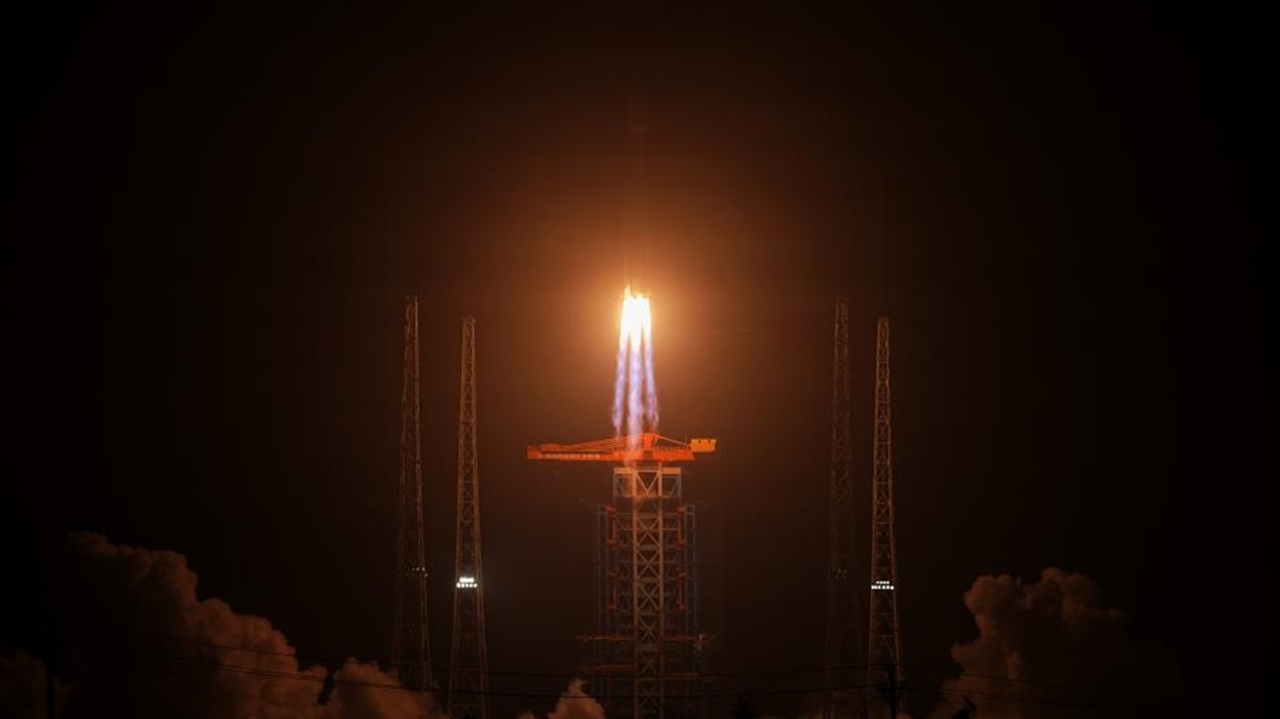
China has once again made headlines in the space and technology world with the successful launch of a new test satellite designed to support satellite internet technology. This development is not just another routine launch. It represents a major step toward building a stronger space based internet infrastructure that could reshape how people access the internet across the globe.
In recent years, the demand for fast, reliable, and global internet coverage has grown rapidly. From remote villages to moving ships and aircraft, traditional ground based networks often fail to provide consistent connectivity. This is where satellite internet enters the picture. With this latest launch, China is signaling its serious commitment to competing in the next generation of global communication networks.
This article explores what the launch means, why it matters, how it compares to global efforts, and what it could mean for everyday users in the near future.
What Happened in the Launch

China successfully launched the test satellite using one of its trusted carrier rockets from a domestic launch site. According to official sources, the satellite has entered its planned orbit and is currently operating as expected. The mission is focused on testing technologies that will support satellite based internet systems.
Unlike traditional satellites that serve communication or weather purposes, this satellite is part of a broader vision. Its role is to test key systems such as high speed data transmission, signal stability, and network integration in space.
While detailed technical specifications have not been fully disclosed, early reports suggest that the satellite will help improve the efficiency and performance of future satellite internet constellations.
Understanding Satellite Internet Technology
To understand the importance of this launch, it helps to know how satellite internet works.
Satellite internet uses a network of satellites orbiting Earth to deliver internet access. Instead of relying on cables or mobile towers, data is transmitted from ground stations to satellites and then back to user terminals on Earth.
There are generally three types of satellite orbits used:
Low Earth Orbit satellites operate closer to Earth and offer lower latency and faster speeds
Medium Earth Orbit satellites balance coverage and performance
Geostationary satellites remain fixed over one point but have higher latency
Modern satellite internet projects focus heavily on Low Earth Orbit systems because they provide a smoother and faster internet experience.
China’s test satellite is believed to be part of efforts to enhance these advanced low orbit networks.
Why This Launch Matters
At first glance, launching a test satellite may seem like a small step. In reality, it carries significant importance for several reasons.
Expanding Global Internet Access
One of the biggest challenges in the world today is unequal access to the internet. Many rural and remote regions still lack reliable connectivity. Satellite internet can bridge this gap by delivering access to areas where building infrastructure is difficult or expensive.
China’s move shows its intention to play a major role in solving this problem, both domestically and internationally.
Strengthening Technological Independence
Countries are increasingly focusing on building their own technology ecosystems. By developing its own satellite internet system, China reduces reliance on foreign networks and strengthens its technological independence.
Boosting National Security and Communication
Satellite networks are not just for civilian use. They are also important for defense, emergency communication, and disaster management. A strong satellite internet system ensures reliable communication even when ground networks fail.
Competing in the Global Space Race
This launch places China in direct competition with other major players such as the United States and private companies that are already investing heavily in satellite internet projects.
How China’s Efforts Compare to Global Players
China is not alone in the race to build satellite internet systems. Several major initiatives are already underway across the world.
Starlink by SpaceX
Starlink is currently the most well known satellite internet project. It has launched thousands of satellites and already provides service in many countries. Starlink focuses on high speed internet with low latency using a large constellation of satellites.
Project Kuiper by Amazon
Amazon is also entering the space with Project Kuiper, aiming to deploy a large network of satellites to provide global broadband access.
European and Other Initiatives
Europe and other regions are also developing their own satellite internet systems to ensure digital sovereignty and improve connectivity.
China’s Unique Approach
China’s approach is more state driven compared to private company led efforts in other countries. This allows for strong coordination but may also come with different priorities such as national security and strategic control.
The recent test satellite suggests that China is accelerating its plans and could soon deploy a larger network.
Technical Goals of the Test Satellite
While official details are limited, experts believe that the satellite is testing several key technologies.
High Speed Data Transmission
One of the main goals is to improve how data is transmitted between satellites and ground stations. Faster transmission means better internet speeds for users.
Signal Stability
Maintaining a stable connection in space is challenging. The satellite will help test how signals behave under different conditions.
Network Integration
Future satellite systems will require seamless integration with ground networks. This test will help ensure that satellite and terrestrial systems work together smoothly.
Advanced Communication Payloads
Modern satellites carry sophisticated equipment that can handle large volumes of data. Testing these systems is critical for future deployment.
Impact on Everyday Internet Users
You might be wondering how this affects you.
While this is still a test phase, the long term impact could be significant.
Better Internet in Remote Areas
People living in villages, mountains, or remote regions could finally get access to high speed internet without relying on cables or towers.
More Reliable Connectivity
Satellite internet can provide backup connectivity during natural disasters or network outages.
Increased Competition
As more players enter the market, competition will increase. This could lead to better services and lower prices for consumers.
New Opportunities
Improved connectivity can unlock opportunities in education, healthcare, business, and entertainment.
Challenges Ahead
Despite the progress, there are still several challenges that need to be addressed.
High Costs
Launching and maintaining satellites is expensive. Building a large constellation requires significant investment.
Space Debris
With more satellites in orbit, the risk of space debris increases. Managing this issue is critical to ensure long term sustainability.
Regulatory Issues
Satellite internet operates across borders, which means it must comply with international regulations and agreements.
Technical Complexity
Ensuring consistent performance and low latency across a global network is not easy. Continuous testing and improvement are required.
What This Means for the Future
China’s successful launch is a clear sign that the future of internet connectivity is moving beyond traditional infrastructure.
In the coming years, we can expect:
Rapid growth in satellite internet networks
Increased competition between global players
More affordable and accessible internet services
Integration of satellite and ground networks
Expansion of digital services in underserved regions
This is not just about faster internet. It is about connecting the world in ways that were once impossible.
Expert Perspective
From a broader perspective, this launch reflects a shift in how countries view digital infrastructure. Internet access is no longer just a convenience. It is a critical part of economic growth, national security, and global influence.
China’s continued investment in space based internet technology shows that it understands the strategic importance of connectivity. While it may take time for these systems to become widely available, the direction is clear.
Conclusion
The successful launch of China’s test satellite for satellite internet technology support marks an important milestone in the evolution of global connectivity. It highlights the growing importance of space based networks and the race to build the next generation of internet infrastructure.
For everyday users, this could mean faster, more reliable, and more accessible internet in the future. For the global technology landscape, it signals increased competition and innovation.
As testing continues and more satellites are launched, the dream of truly global internet coverage is becoming closer to reality. Whether in a busy city or a remote village, the way we connect to the world is about to change in a big way.