 By llew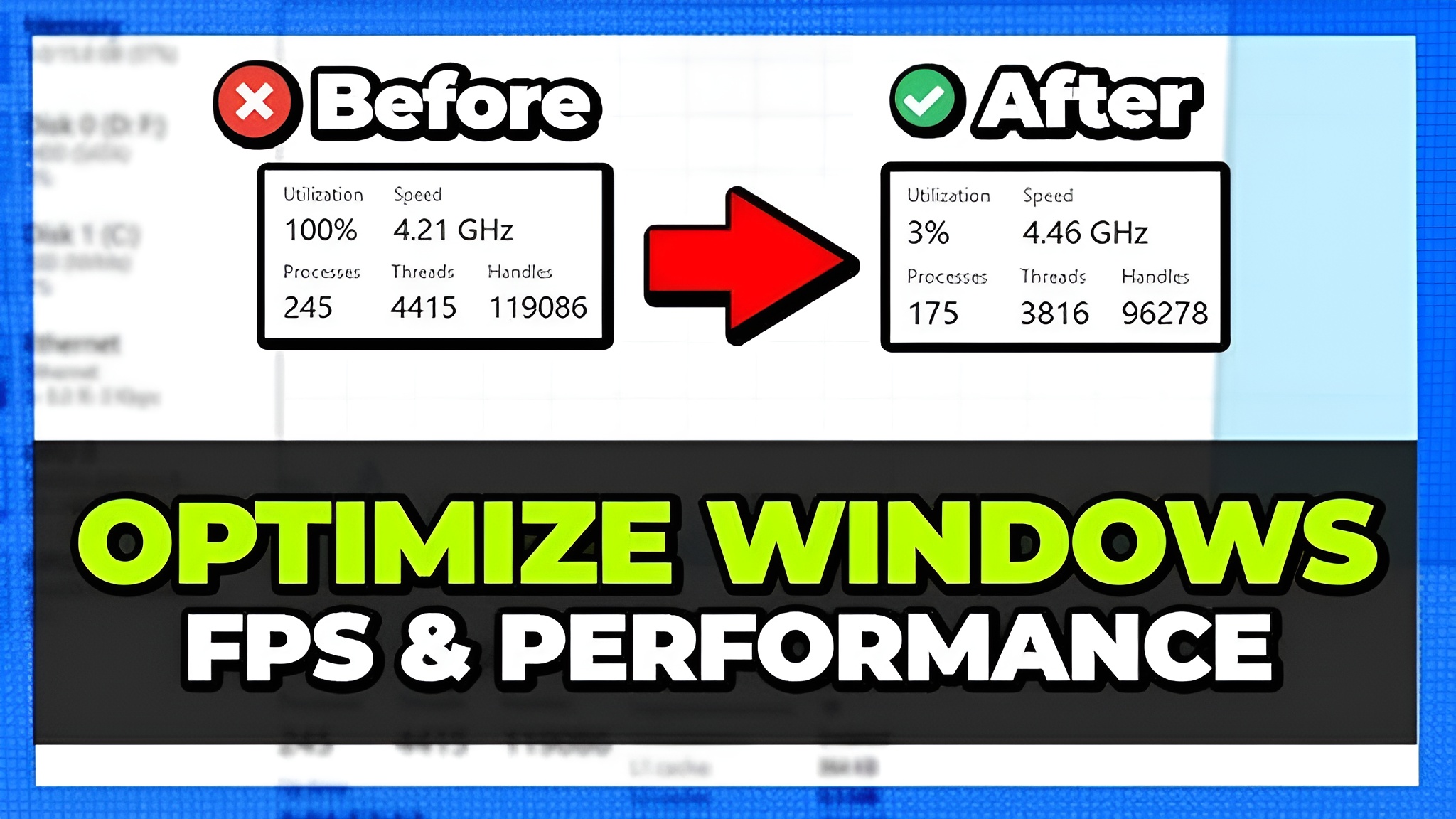
Windows 12 has arrived with new features, modern design, and improved security. However, even with all the enhancements, users often notice performance lags on certain systems. Whether you’re gaming, streaming, or multitasking, optimizing Windows 12 for maximum performance is essential. In this guide, we’ll explore proven Windows 12 performance tweaks that can help your PC run faster, smoother, and more efficiently.
Why Performance Tweaks Matter in Windows 12
Windows 12 introduces a range of features like advanced animations, AI-powered task management, and cloud integration. While these features enhance usability, they can also consume system resources. Over time, unused apps, background processes, and unnecessary services may slow down your system. Applying performance tweaks ensures that your computer:
- Responds faster to commands
- Runs games and applications smoothly
- Consumes less memory and CPU power
- Extends battery life on laptops
By adjusting settings, disabling unnecessary features, and maintaining your system, you can get the most out of your Windows 12 experience.
Update Windows 12 Regularly
Keeping Windows 12 up to date is the first step in boosting performance. Microsoft frequently releases updates that:
- Patch security vulnerabilities
- Fix system bugs
- Improve system stability
- Enhance hardware compatibility
How to update Windows 12:
- Open Settings → Update & Security
- Click Windows Update → Check for updates
- Install available updates and restart your PC
Regular updates ensure that your system runs efficiently and avoids unnecessary slowdowns caused by outdated software.
Optimize Startup Programs
Many applications automatically start with Windows 12, consuming memory and slowing down boot time. Managing startup apps can drastically improve system speed.
Steps to manage startup programs:
- Press Ctrl + Shift + Esc to open Task Manager
- Go to the Startup tab
- Disable unnecessary apps that you don’t need at startup
Focus on disabling apps like cloud backup services, instant messaging programs, or unused software that runs in the background.
Adjust Visual Effects
Windows 12 is visually appealing with animations, transparency effects, and shadows. While these make your PC look modern, they can slow down performance on older systems.
To adjust visual effects:
- Open Settings → System → Advanced system settings
- Click Performance Settings → Visual Effects
- Select Adjust for best performance or manually disable effects like animations and shadows
This tweak significantly reduces CPU and GPU load, giving you a snappier experience.
Use Storage Sense and Disk Cleanup
Accumulated files, caches, and temporary data can slow down Windows 12 over time. Windows 12 comes with tools to clean your system efficiently.
Enable Storage Sense:
- Go to Settings → System → Storage
- Toggle Storage Sense on
- Configure automatic cleanup frequency
Use Disk Cleanup:
- Search Disk Cleanup in the start menu
- Select the drive to clean (usually C:)
- Check Temporary files, Recycle Bin, and System files
- Click Clean up files
Regular cleanup improves storage performance and ensures that Windows 12 runs without unnecessary clutter.
Optimize Power Settings
Windows 12 includes power modes that can affect performance. Choosing the right plan is crucial, especially for laptops.
Recommended power settings:
- Open Settings → System → Power & Battery
- Select Power Mode → Best Performance
- For laptops, ensure Battery Saver mode is off during intensive tasks
Optimizing power settings allows your CPU and GPU to perform at their best without unnecessary throttling.
Keep Drivers Up to Date
Outdated drivers can cause performance issues, crashes, and compatibility problems. Ensure your hardware communicates efficiently with Windows 12 by updating drivers regularly.
How to update drivers:
- Press Windows + X → Device Manager
- Expand device categories (e.g., Display adapters, Network adapters)
- Right-click → Update driver → Search automatically
Focus on critical drivers like graphics cards, chipset, and network adapters to maintain peak performance.
Disable Background Apps
Many apps run in the background, consuming CPU and memory. Disabling unnecessary background apps can free resources.
Steps:
- Open Settings → Privacy & security → Background apps
- Turn off apps that you rarely use
This simple tweak reduces resource consumption and improves overall system responsiveness.
Enable Game Mode for Gaming
Windows 12 includes a Game Mode feature that prioritizes system resources for gaming. Activating Game Mode ensures smoother gameplay and reduces lag.
How to enable Game Mode:
- Go to Settings → Gaming → Game Mode
- Toggle Game Mode on
For heavy gaming sessions, consider disabling overlays or background recording to further boost FPS.
Adjust Virtual Memory (Pagefile)
Virtual memory supplements your RAM when it runs low. Properly configuring it can improve system stability and performance.
Steps:
- Open Settings → System → Advanced system settings
- Under Performance, click Settings → Advanced
- Click Virtual Memory → Change
- Set Custom size based on your RAM (e.g., 1.5× RAM for Initial, 3× RAM for Maximum)
Optimizing virtual memory ensures smoother multitasking and prevents slowdowns during heavy workloads.
Disable Visual Transparency and Animations
While we mentioned visual effects earlier, disabling transparency and animations specifically can significantly enhance performance, especially on older hardware.
Steps:
- Open Settings → Personalization → Colors
- Turn off Transparency effects
- Open Settings → Accessibility → Visual effects → Disable animations
These tweaks lighten GPU and CPU load, making Windows 12 feel faster.
Keep Your System Malware-Free
Malware and unnecessary software can drastically reduce performance. Regular scans with Windows Defender or third-party antivirus software can keep your system secure and efficient.
Steps:
- Open Windows Security → Virus & threat protection
- Run Quick Scan regularly
- Schedule Full Scans weekly
A malware-free system ensures resources are not wasted on malicious processes.
Upgrade Hardware for Maximum Boost
If software tweaks are not enough, hardware upgrades can deliver the ultimate performance improvements. Consider:
- RAM upgrade for better multitasking
- SSD instead of HDD for faster boot and load times
- High-performance GPU for gaming and creative work
Windows 12 is optimized for modern hardware, and these upgrades complement software optimizations perfectly.
Conclusion
Boosting Windows 12 ISO performance doesn’t have to be complicated. By following these tweaks—updating Windows, managing startup programs, optimizing visual effects, and maintaining hardware—you can enjoy a smoother, faster, and more efficient computing experience. Whether for work, gaming, or casual use, these tips will help you maximize the potential of Windows 12 without unnecessary frustration.
Remember, performance optimization is an ongoing process. Regular maintenance, updates, and monitoring will ensure your system stays in top condition for years to come.