 By llew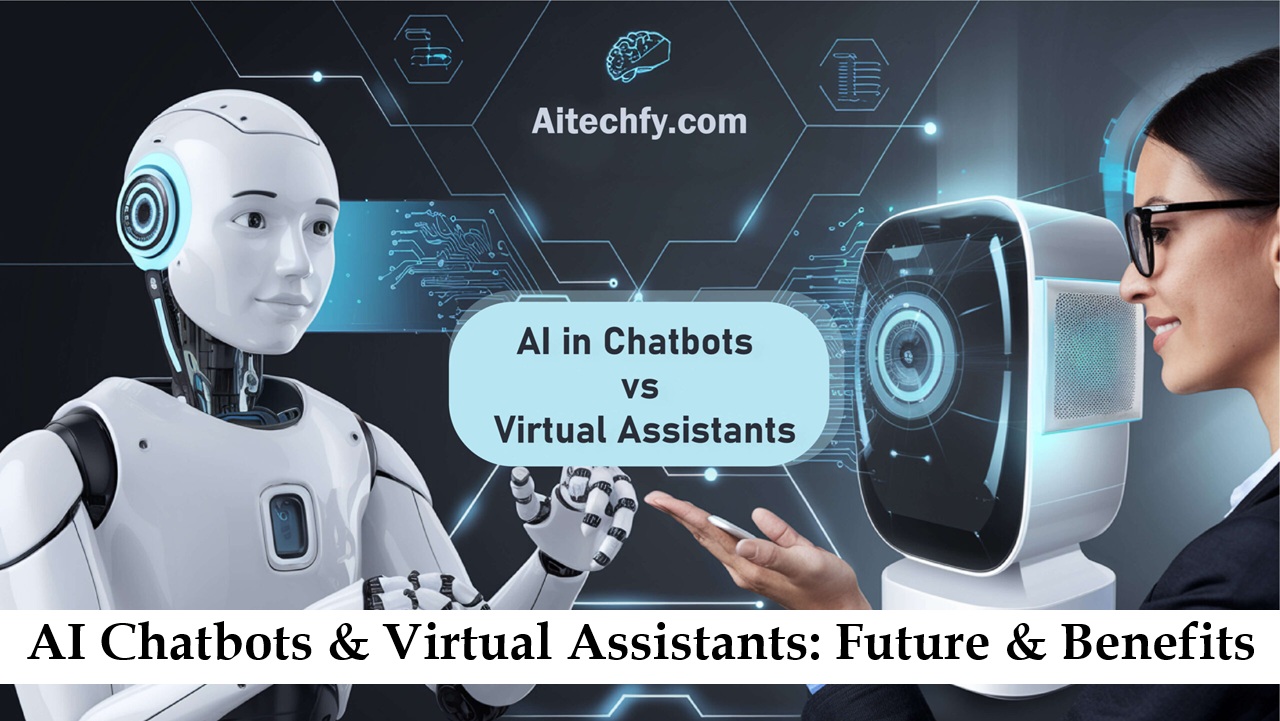
AI chatbots and virtual assistants have become a central part of our digital lives, quietly transforming how we communicate with technology. Whether it’s asking a quick question, scheduling a meeting, or controlling smart home devices, these intelligent systems act as a bridge between humans and machines. While chatbots are designed primarily to simulate conversation, virtual assistants take it a step further by integrating multiple AI capabilities to anticipate user needs, provide personalized recommendations, and assist with complex tasks.
The journey of AI assistants is fascinating. Early chatbots, like ELIZA in the 1960s, relied on rigid scripts and could only handle very basic conversations. Today’s AI—think ChatGPT, Google Assistant, or Alexa—uses advanced machine learning and natural language processing to understand context, emotion, and intent. These modern systems aren’t just convenient; they’ve become essential tools for businesses and consumers alike, shaping the way we access information, manage tasks, and even interact socially.
How AI Chatbots Work
Behind the friendly interface of a chatbot lies a complex web of technologies that make human-like conversation possible. At the heart of this is Natural Language Processing (NLP), which allows AI to understand text or voice input, identify user intent, and craft meaningful responses. NLP enables chatbots to grasp nuances such as slang, idioms, or even sarcasm, making interactions feel more natural.
On top of NLP, machine learning algorithms allow chatbots to learn from previous conversations, continuously improving accuracy and relevance. Many AI assistants also include context management, remembering earlier parts of a conversation to keep replies coherent and human-like.
For example, when you say, “Book a table for two at my favorite restaurant tonight,” a capable virtual assistant can interpret your preferences, check availability, and even offer alternative options. It’s this combination of NLP, machine learning, and context awareness that transforms simple chatbots into intelligent assistants capable of handling complex, real-world tasks.
Types of AI Chatbots
AI chatbots are typically divided into three main types: rule-based, AI-powered, and hybrid models.
Rule-based chatbots operate on predefined scripts. They’re ideal for simple, repetitive tasks such as answering frequently asked questions. While easy to implement, they struggle with unexpected or complex queries.
AI-powered chatbots leverage machine learning and NLP to understand context and user intent. Examples include ChatGPT, Google Assistant, and Alexa. These systems can learn from past interactions, offer personalized suggestions, and provide more fluid, human-like responses.
Hybrid models combine the predictability of rule-based systems with the adaptability of AI. This is common in customer support: routine questions are handled automatically, while intricate issues are escalated to human agents.
By choosing the right type of chatbot, businesses can balance efficiency, flexibility, and user experience, creating seamless and engaging interactions that feel personal rather than mechanical.
Applications of AI Chatbots & Virtual Assistants
AI chatbots and virtual assistants are no longer novelty tools—they have practical applications across industries. In customer service, they answer inquiries, track orders, and provide instant support, reducing wait times and boosting satisfaction. E-commerce platforms use AI assistants to recommend products, process payments, and guide users through shopping experiences.
Healthcare has also embraced AI, with assistants supporting telemedicine, scheduling appointments, and providing basic symptom guidance. In education, chatbots answer student questions, provide learning resources, and even design personalized lesson plans. Outside professional settings, virtual assistants help with everyday life—setting reminders, managing calendars, or controlling smart home devices.
The versatility of AI assistants highlights their transformative potential. They’re not only improving efficiency but also reshaping how humans interact with technology. Businesses gain operational advantages, and consumers experience smarter, more responsive interactions that save time and reduce friction.
Benefits of AI Chatbots & Virtual Assistants
One of the biggest advantages of AI chatbots is their constant availability. Unlike human staff, they can respond to queries 24/7, ensuring users always get support when needed. For businesses, this translates into cost savings, as fewer human agents are required while service quality remains high.
AI chatbots also offer personalization. By analyzing user behavior, preferences, and past interactions, they provide tailored recommendations and responses that feel unique to each individual. This enhances engagement and satisfaction.
Another major benefit is efficiency and scalability. AI assistants can handle hundreds of conversations simultaneously without losing quality, freeing human teams to focus on more complex, strategic tasks. From scheduling appointments to answering intricate questions, chatbots save time and resources while delivering consistent support.
The combination of cost efficiency, round-the-clock availability, and personalized experiences makes AI chatbots and virtual assistants invaluable tools for businesses aiming to stay competitive in a fast-paced digital world.
Challenges and Limitations
Despite their advantages, AI chatbots and virtual assistants aren’t without challenges. Complex queries can still trip up systems, especially if questions are ambiguous, layered, or sarcastic. Long conversations can also challenge context retention, leading to repetitive or irrelevant responses.
Privacy and data security are significant concerns. Since AI assistants often handle sensitive information, businesses must follow strict data protection regulations and ensure strong encryption. Bias in training data is another issue, potentially resulting in unfair or inaccurate responses.
Moreover, over-reliance on AI can be risky. While chatbots excel at routine tasks, human oversight is crucial for nuanced problem-solving and emotional intelligence. Recognizing these limitations is essential to building AI systems that are reliable, ethical, and trustworthy.
How AI Chatbots Are Built (Technical Insight)
Building a sophisticated AI chatbot involves several layers of technology. At the foundation are AI models and frameworks like GPT, Gemini, or Grok, which handle language understanding, response generation, and contextual awareness. These models are trained on massive datasets to recognize patterns, detect user intent, and produce human-like replies.
Integration with cloud services and APIs allows chatbots to access real-time information, connect with databases, and interact with other apps. This enables functions like booking tickets, retrieving account information, or controlling smart devices.
Modern AI systems also rely on continuous learning. Through user interactions, monitoring tools, and feedback loops, chatbots are constantly updated to improve accuracy, expand capabilities, and remain secure. This iterative process ensures that AI assistants evolve from basic scripted programs into fully dynamic, personalized virtual assistants capable of handling complex tasks.
The Future of AI Chatbots & Virtual Assistants
The future of AI chatbots promises even deeper integration into our daily lives. One key development is multilingual support, allowing AI to communicate fluently across languages. This is especially valuable for global businesses, offering consistent customer service regardless of location.
Another exciting frontier is emotional intelligence. Future AI will detect tone, sentiment, and mood, enabling empathetic responses. Imagine a virtual assistant recognizing frustration in your voice and adjusting its replies to calm and assist you more effectively.
AI assistants will also become more proactive, anticipating needs before they’re even expressed. From managing schedules and health reminders to smart home automation, these systems will act as personal advisors. For businesses, predictive AI can recommend solutions or flag issues before they escalate.
The result is a future where AI moves beyond being a tool to becoming a trusted partner—efficient, empathetic, and intuitive. Users will enjoy convenience, personalization, and smarter decision-making in both personal and professional contexts.
AI Chatbots vs Human Assistants
AI chatbots and human assistants each have their strengths. Chatbots shine in speed, efficiency, and cost-effectiveness, handling multiple tasks simultaneously without fatigue, offering instant 24/7 support.
Human assistants, however, bring intuition, empathy, and judgment that AI still struggles to replicate. They excel at complex problem-solving, reading social cues, and offering creative solutions.
Many organizations find the best approach is a hybrid model: AI handles routine queries and repetitive work, while humans focus on nuanced, high-stakes tasks. This ensures efficiency without sacrificing the human touch that builds trust and meaningful relationships.
Conclusion & Takeaways
Instantaitools.com and virtual assistants have come a long way—from simple scripted programs to intelligent systems that enhance our personal and professional lives. Their 24/7 availability, personalized responses, and efficiency make them invaluable tools in a fast-paced digital world.
Businesses gain scalability, cost savings, and improved customer experiences, while users enjoy convenience, responsiveness, and smarter interactions. Yet, human oversight remains essential for complex decisions, emotional intelligence, and ethical considerations.
Looking forward, advancements in multilingual support, emotional intelligence, and predictive assistance will push AI even closer to a trusted, proactive companion. By embracing next-generation AI assistants thoughtfully, both businesses and individuals can unlock smarter, more personalized, and efficient ways to navigate work and everyday life.