 By llew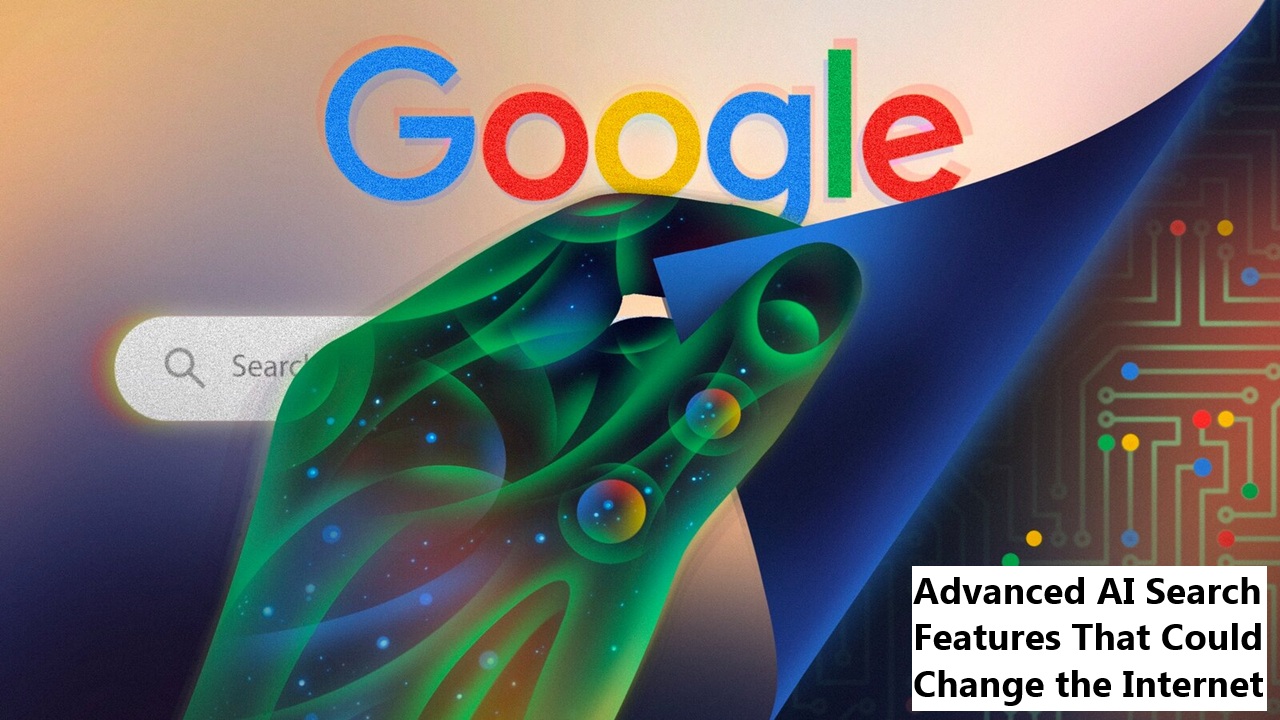
Google is introducing a new wave of AI powered search features that could significantly change how people use the internet. Instead of simply showing a list of blue links, Google’s search engine is becoming more intelligent by generating answers directly within the results page. This shift means users may find the information they need faster, without visiting multiple websites.
The update is part of Google’s broader strategy to integrate generative AI into everyday search. With these new capabilities, the search engine can summarize information, understand complex questions, and even respond in a conversational way. For millions of users who rely on Google every day, this could transform how they discover knowledge, research topics, and solve problems online.
At the same time, these AI search features may reshape the digital landscape for websites, publishers, and businesses that depend on search traffic.
What Are Google’s New AI Search Features?

Google’s new AI search features are designed to make searching faster, smarter, and more interactive. Instead of only displaying traditional search results, Google now uses advanced artificial intelligence to generate direct answers, summaries, and explanations within the search page itself.
One of the biggest changes is the introduction of AI generated responses that appear at the top of search results. These responses combine information from multiple sources and present it in a clear, easy to read format. Users can quickly understand a topic without needing to open several different websites.
Another important element is the use of generative AI. This technology allows Google to create detailed responses based on the user’s question rather than simply matching keywords. It also helps the search engine understand context and intent more accurately.
This approach is very different from traditional search. Instead of scanning multiple pages, users can receive structured answers instantly. As a result, Google is moving closer to becoming an AI powered information assistant rather than just a search engine.
Key Features of Google’s New AI Powered Search
Google’s latest AI search update introduces several powerful features that aim to make searching more efficient and intuitive. These improvements combine artificial intelligence, natural language processing, and advanced data understanding.
3.1 AI Generated Search Summaries
One of the most noticeable features is AI generated summaries. When users search for complex topics, Google can now produce a quick overview that highlights the most important information.
Instead of reading multiple articles, users receive a concise explanation at the top of the results page. These summaries are built by analyzing information from trusted sources across the web. For users, this means faster answers and less time spent clicking through different pages.
3.2 Conversational Search Experience
Google search is also becoming more conversational. Users can ask follow up questions directly within the search interface without starting a completely new query.
For example, someone researching travel destinations could ask additional questions like best time to visit, local attractions, or budget tips. The search engine remembers the context of the conversation and provides more relevant answers. This experience feels similar to interacting with AI assistants.
3.3 Multimodal Search Capabilities
Another major feature is multimodal search. Users are no longer limited to typing keywords. They can combine text, images, and voice to perform searches.
For instance, a user could upload a photo of a product and ask Google questions about it. This makes search more flexible and closer to how people naturally explore information.
3.4 Deeper Context Understanding
Google’s AI is now better at understanding complex queries. Instead of focusing only on keywords, it analyzes intent, context, and meaning.
This allows the search engine to deliver more accurate answers, especially for detailed or multi part questions.
How AI Search Could Change the Internet
The rise of AI powered search could significantly reshape how people interact with the internet. For decades, the traditional search experience involved typing a question, scanning a list of links, and visiting multiple websites to find the right information. With AI driven search, that process is becoming much faster.
Instead of opening several pages, users may receive a complete answer directly within Google’s results. This change could reduce the number of clicks required to find information, making research and everyday searches far more efficient.
At the same time, user behavior may start to shift. People might begin asking more detailed or conversational questions because AI systems are better at understanding natural language. Complex queries that previously required multiple searches can now be handled in a single interaction.
Another important change is the growing dominance of AI generated summaries over traditional blue links. These summaries highlight key points from across the web, allowing users to quickly grasp a topic before deciding whether to explore further.
As AI search becomes more advanced, the internet could gradually evolve from a link based discovery system into a more answer driven experience. This shift will influence how information is consumed, shared, and discovered online.
What This Means for Websites and SEO
The introduction of AI powered search will likely have a major impact on websites and search engine optimization strategies. Since Google can now generate answers directly within search results, some websites may experience fewer organic clicks, especially for informational queries.
However, this does not mean SEO is becoming less important. In fact, the opposite may be true. Google’s AI relies heavily on trustworthy sources to generate accurate answers. Websites that demonstrate expertise, authority, and credibility are more likely to be referenced in AI generated responses.
This is where EEAT signals become critical. Content that shows real expertise, includes reliable information, and provides genuine value to readers will have a better chance of appearing in AI powered summaries.
Structured content is also becoming more important. Articles that clearly answer questions, use logical headings, and provide well organized information are easier for AI systems to understand and summarize.
Original insights, unique data, and strong topical authority may also play a bigger role in rankings. Websites that consistently publish high quality content around a specific subject are more likely to be recognized as reliable sources.
For website owners, adapting to AI search means focusing less on keyword stuffing and more on creating useful, trustworthy content that truly helps users.
Opportunities for Content Creators and Businesses
Although AI search may change how traffic flows across the internet, it also creates new opportunities for content creators and businesses. Even the most advanced AI systems rely on trusted sources to gather and verify information. This means high quality websites will continue to play a crucial role in the search ecosystem.
Content that provides clear explanations, expert insights, and practical value has a strong chance of being referenced in AI generated answers. When Google highlights information from a reliable source, it can increase visibility and strengthen a brand’s authority.
For businesses, this shift encourages a stronger focus on topical expertise. Instead of publishing random articles, successful websites are likely to build deep knowledge around specific subjects.
Content strategies may also evolve to include more detailed guides, data driven insights, and problem solving articles. These types of resources are easier for AI systems to understand and summarize.
In many ways, AI search rewards websites that prioritize quality over quantity. Creators who invest in trustworthy, well researched content can still benefit from the next generation of search technology.
Concerns and Challenges of AI Powered Search
Despite its advantages, AI powered search also raises several concerns. One of the biggest issues is accuracy. Generative AI systems can sometimes produce incorrect or misleading information, especially when summarizing complex topics.
Publishers are also worried about the potential loss of website traffic. If users receive answers directly in search results, fewer people may click through to the original sources that created the content.
Another challenge is transparency. Some critics argue that AI generated answers may not always clearly show where the information comes from. This can make it harder for users to verify the reliability of the content.
These concerns have sparked ongoing discussions within the tech industry about how AI search should balance convenience with fairness for content creators and publishers.
Expert Opinions and Industry Reactions
The introduction of AI powered search has sparked mixed reactions across the technology and SEO industries. Many experts see it as the natural evolution of search engines, arguing that artificial intelligence can make information easier to access and understand.
Some SEO professionals believe that AI search will push websites to produce better quality content. Since AI systems rely on trusted sources, the importance of authority and credibility may increase significantly.
However, publishers and media organizations have expressed concerns about how AI summaries could affect website traffic. If users receive answers directly in search results, traditional publishing models may face new challenges.
Google has acknowledged these concerns and stated that its goal is to highlight high quality sources while still driving traffic to the web. The company continues to refine its AI search systems to balance innovation with fairness.
The Future of Search in the AI Era
The future of search is likely to become increasingly powered by artificial intelligence. As AI technology continues to improve, search engines may evolve into more interactive knowledge assistants rather than simple tools for finding links.
Users could eventually have conversations with search engines, ask complex questions, and receive detailed explanations instantly. Integration with voice assistants, smart devices, and browsers may make AI powered search a seamless part of everyday life.
Competition in this space is also growing. Platforms like ChatGPT, Gemini, and other AI tools are pushing the boundaries of how people access information online.
In the coming years, search may become more personalized, conversational, and context aware. This transformation could reshape how the internet works and how people explore knowledge across the digital world.
Frequently Asked Questions
What are Google AI search features?
Google AI search features use advanced artificial intelligence to generate summaries, answers, and explanations directly within search results. These features help users find information faster without visiting multiple websites.
How does AI powered search work?
AI powered search analyzes user queries using machine learning and natural language processing. It gathers information from trusted sources across the web and generates structured answers based on the context of the question.
Will AI search replace traditional Google results?
Traditional search results will likely continue to exist, but AI generated answers may appear above them. This allows users to quickly understand a topic while still having the option to explore detailed sources.
How will AI search affect SEO?
SEO will focus more on content quality, authority, and structured information. Websites that demonstrate expertise and provide useful insights are more likely to be referenced in AI generated summaries.
Can websites still rank in AI generated results?
Yes. Websites that publish reliable, well structured, and high quality content can still be featured in AI powered answers and search results.
Conclusion
Google’s introduction of advanced AI search features marks one of the most significant changes in the history of search engines. By combining generative AI with traditional search technology, Google is transforming how users find and interact with information online.
While these changes may challenge some existing SEO strategies, they also create new opportunities for websites that focus on expertise, authority, and high quality content. As AI continues to evolve, the future of search will likely become faster, smarter, and more conversational than ever before.