 By llew
For many women, the earliest stage of pregnancy begins quietly. Before a missed period, before a pregnancy test, and sometimes even before any noticeable body changes, an important process called implantation takes place. This is the moment when a fertilized egg attaches itself to the lining of the uterus and begins the journey of pregnancy.
Understanding female egg implantation symptoms can help women recognize early pregnancy signs sooner. While not everyone experiences noticeable symptoms, some women observe subtle signals such as light spotting, mild cramping, or fatigue.
Learning about these early pregnancy changes is helpful because every body responds differently. Some women notice several symptoms, while others may not notice any at all. By understanding how implantation works and what signs may appear, women can become more aware of their reproductive health and the early stages of pregnancy.
What Is Female Egg Implantation
Female Egg implantation is a natural biological process that occurs shortly after fertilization. It begins when a sperm successfully fertilizes an egg in the fallopian tube. Once fertilization occurs, the fertilized egg, now called a zygote, starts dividing into multiple cells while slowly traveling toward the uterus.
This journey typically takes several days. During this time, the developing embryo prepares to attach itself to the uterine lining. The uterus has a soft, nutrient rich lining called the endometrium, which thickens each month to prepare for possible pregnancy.
When the embryo reaches the uterus, it attaches to this lining. This process is known as implantation. Once implantation occurs, the body begins producing pregnancy hormones that support the developing embryo.
Hormonal changes begin almost immediately after implantation. These hormones are responsible for many of the early pregnancy signs women experience. Anyone trying to understand implantation timing more precisely can use an implantation calculator to estimate when implantation may occur during their cycle.
When Does Implantation Usually Occur
Implantation does not happen immediately after fertilization. In most cases, it occurs between six and ten days after ovulation. This timing can vary slightly depending on a woman’s menstrual cycle length and the speed at which the fertilized egg travels through the fallopian tube.
For example, women with shorter menstrual cycles may experience implantation a little earlier, while those with longer cycles might see it happen slightly later. Because of these natural variations, implantation timing is not identical for everyone.
Some women notice symptoms around this time, but many do not feel anything unusual. In fact, it is completely normal for implantation to occur without any obvious signs.
Understanding the typical implantation window helps women know when early pregnancy symptoms might appear and when it may be appropriate to take a pregnancy test.
Most Common Female Egg Implantation Symptoms
Many early pregnancy signs begin shortly after implantation. While symptoms can vary from person to person, some common female egg implantation symptoms appear frequently.
Implantation Bleeding
One of the most talked about signs is implantation calculator. This occurs when the embryo attaches to the uterine lining and small blood vessels are affected.
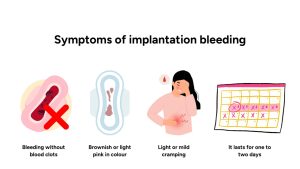
Implantation bleeding is usually very light and appears as pink or brown spotting rather than a heavy flow. It often lasts only a few hours to a day or two.
Mild Cramping
Some women feel mild cramping around the time implantation occurs. These cramps are usually lighter than menstrual cramps and may feel like a gentle pulling sensation in the lower abdomen.
Breast Tenderness
Hormonal changes begin quickly after implantation. As pregnancy hormones increase, breast tissue can become sensitive or tender. This symptom is often one of the earliest pregnancy indicators.
Fatigue or Tiredness
Many women notice an unusual feeling of tiredness during early pregnancy. Rising progesterone levels can cause fatigue even before a missed period.
Slight Rise in Basal Body Temperature
Women who track their basal body temperature may notice that their temperature remains elevated after ovulation. If implantation occurs, the temperature may stay higher than usual instead of dropping before menstruation.
It is important to remember that some women experience several of these symptoms, while others may not notice any changes at all.
Less Common Implantation Signs Some Women Experience
Although the most common symptoms include light bleeding and mild cramping, some women report additional early pregnancy changes during the implantation stage.
A few people notice mild nausea, even before a missed period. Others experience occasional headaches or feel more emotional than usual due to hormonal fluctuations.
Food aversions may also begin early for certain women. A food that once seemed appealing may suddenly feel unpleasant. Frequent urination can also occur as hormone levels start adjusting to pregnancy.
However, these symptoms are not guaranteed. Many of them appear later in pregnancy rather than during implantation.
Because every body responds differently, the absence of these signs does not mean implantation did not occur.
For medical information about pregnancy development, organizations like the American College of Obstetricians and Gynecologists provide reliable guidance for women learning about early pregnancy stages.
Implantation Bleeding vs Period How to Tell the Difference
One of the most common questions women have is how to distinguish implantation bleeding from a normal menstrual period. Although the two may appear similar at first, there are some noticeable differences.
Color
Implantation bleeding often appears light pink or brown. A typical menstrual period usually starts bright red and may become darker as it continues.
Flow
Implantation spotting is usually very light. Many women only notice a few spots on underwear or tissue. A menstrual period normally has a heavier and steady flow.
Duration
Implantation bleeding typically lasts from a few hours to two days. A regular period usually lasts three to seven days.
Timing
Implantation occurs several days before the expected period. If spotting appears earlier than the usual menstrual start date, implantation may be the reason.
These differences help many women identify whether the spotting they experience might be related to early pregnancy.
How Long Do Implantation Symptoms Last
Implantation symptoms are usually brief. Most signs, such as light spotting or mild cramps, last only a few hours to a couple of days.
Once the embryo successfully attaches to the uterine lining, the body quickly shifts into early pregnancy mode. Hormones such as progesterone and hCG begin increasing to support the developing pregnancy.
For some women, these hormonal changes lead to new symptoms like fatigue or breast tenderness. Others may feel completely normal during this stage.
It is important to remember that the absence of symptoms does not mean implantation did not happen. Many healthy pregnancies begin without any noticeable implantation signs.
When Should You Take a Pregnancy Test After Implantation
After implantation occurs, the body starts producing a hormone called human chorionic gonadotropin, often known as hCG. This hormone is what pregnancy tests detect.
However, hCG levels take time to rise high enough to be measured accurately. For the most reliable results, most experts recommend waiting about five to seven days after implantation or until after a missed period.
Testing too early may lead to a false negative result because hormone levels are still low.
Some people use online tools such as a pregnancy test calculator or due date calculator to estimate the best time to test. These tools can help predict when hormone levels might become detectable.
When Implantation Symptoms May Require Medical Advice
While implantation symptoms are generally mild, certain signs should not be ignored.
Heavy bleeding that resembles a full menstrual period may require medical evaluation. Severe abdominal pain or sharp cramping is another warning sign that should be checked by a healthcare professional.
Dizziness, fainting, or intense pain could indicate complications such as an ectopic pregnancy. This happens when the fertilized egg implants outside the uterus, often in the fallopian tube.
Although ectopic pregnancy is uncommon, it requires immediate medical attention. If any unusual or severe symptoms occur, contacting a doctor is always the safest step.
Tips to Track Early Pregnancy Signs Naturally
Many women prefer to monitor their bodies naturally while trying to conceive. Tracking certain biological patterns can help identify early pregnancy signals.
One helpful method is tracking ovulation. Knowing when ovulation occurs allows women to estimate when implantation may happen.
Monitoring basal body temperature is another useful technique. A consistent temperature rise after ovulation may indicate hormonal changes linked to pregnancy.
Some women also use pregnancy tracking apps to log symptoms and cycle data. Keeping a simple symptom diary can also provide valuable insights over time.
By combining these approaches, women can gain a clearer understanding of their reproductive cycles and recognize early pregnancy signs more easily.
Frequently Asked Questions About Female Egg Implantation
What does implantation feel like
Many women describe implantation as mild cramping or a light pulling sensation in the lower abdomen. However, others feel nothing at all during this stage.
Can implantation happen without symptoms
Yes. In fact, many pregnancies begin without noticeable implantation symptoms. Lack of symptoms does not mean implantation failed.
How soon after implantation can pregnancy be detected
Pregnancy tests usually detect hCG about five to seven days after implantation. Testing after a missed period generally provides the most accurate results.
Is implantation bleeding common
Implantation bleeding happens in some pregnancies but not all. Studies suggest only a portion of women experience noticeable spotting during implantation.
Does implantation cause cramps
Yes, mild cramping can occur when the embryo attaches to the uterine lining. These cramps are typically lighter than menstrual cramps and short lived.
Conclusion Recognizing Early Pregnancy Signals
Female egg implantation is one of the earliest and most important stages of pregnancy. During this time, the fertilized egg attaches to the uterine lining and the body begins producing hormones that support pregnancy.
Some women notice early pregnancy signs such as light spotting, mild cramps, fatigue, or breast tenderness. Others may not experience any symptoms at all, which is completely normal.
Understanding implantation timing and symptoms helps women recognize what their bodies may be signaling. If pregnancy is suspected, waiting until after a missed period before taking a test can provide more reliable results.
Every pregnancy journey is unique, so paying attention to body signals and seeking medical advice when needed is always the best approach.