 By llew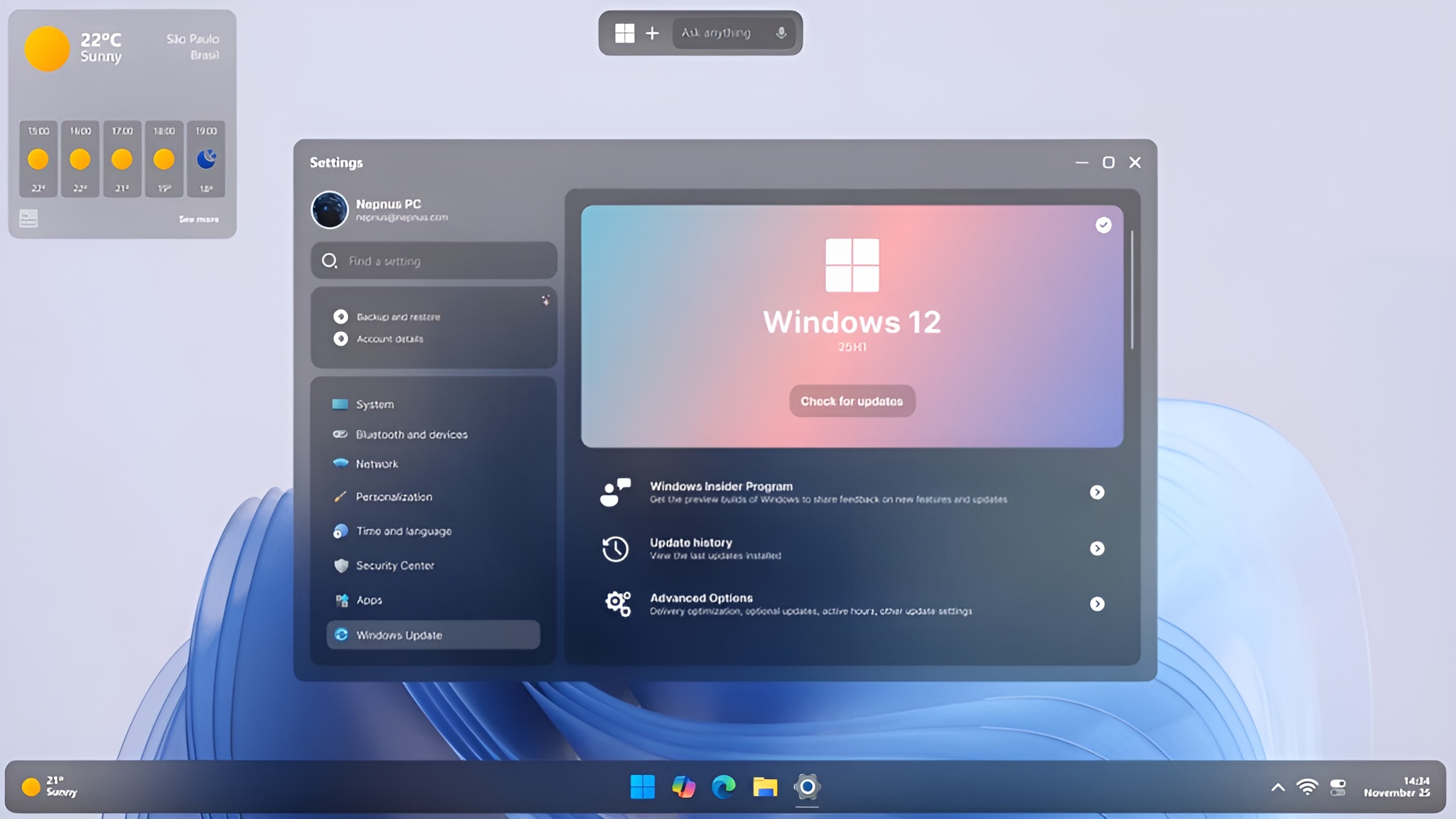
Windows 12 is poised to redefine the way we think about digital security. As cyber threats evolve, from ransomware and phishing attacks to AI-assisted intrusions, modern operating systems need to do more than just react—they must anticipate and prevent. Microsoft has long been recognized for its commitment to securing Windows environments, and Windows 12 promises to take that legacy further. With tighter privacy controls, AI-assisted threat detection, and hardware-backed protections, the next iteration of Windows aims to create a safer, smarter computing experience for users ranging from home enthusiasts to enterprise professionals.
Why Windows Security Matters in 2026

In 2026, system security is not optional, it’s essential. With remote work, cloud adoption, and connected devices becoming standard, the attack surface has expanded significantly. Windows 12 is expected to address both long-standing vulnerabilities and emerging threats. A compromised system can affect personal privacy, corporate data, and even critical infrastructure. Microsoft’s focus on proactive, AI-driven security features aims to minimize these risks and provide users with confidence that their data and devices are protected in an increasingly digital world.
Evolution from Windows 10/11: What’s New?
Windows 12 builds on the security foundations of Windows 10 and 11. Features like hardware-backed protections, secure boot improvements, and Trusted Platform Module (TPM 3.0) support are set to enhance system integrity. Beyond these basics, AI-assisted monitoring could detect suspicious behavior before it turns into a breach. This evolution reflects Microsoft’s shift from reactive security patches toward predictive, automated defenses that work continuously in the background, keeping both personal and enterprise devices safer.
Advanced Privacy Controls for Users
User privacy is becoming as important as system security itself. Windows 12 is expected to offer advanced privacy dashboards that give users full visibility into how their data is used. Granular controls may allow users to manage app permissions, telemetry data sharing, and location tracking at a micro level. Compliance with GDPR, CCPA, and other privacy regulations ensures that users maintain control over sensitive information. With these features, Windows 12 can empower individuals to take ownership of their digital footprint without sacrificing convenience.
Built-In Anti-Malware and Threat Prevention
Microsoft Defender has grown into a robust anti-malware solution, and Windows 12 is likely to expand on its capabilities. Cloud-powered scanning and AI-assisted detection allow for real-time threat identification, including ransomware, phishing, and zero-day attacks. Behavioral analysis monitors system activity to detect anomalies that traditional signature-based methods might miss. Combined with cloud intelligence, these improvements promise a proactive approach to threat prevention, reducing the likelihood of breaches and keeping devices resilient against evolving attacks.
AI and Machine Learning in Windows 12 Security
Artificial intelligence and machine learning are at the heart of Windows 12’s security enhancements. AI can detect abnormal behavior, predict potential vulnerabilities, and even automate patching processes. Integration with enterprise solutions like Microsoft Sentinel could provide advanced analytics, threat correlation, and automated policy enforcement. For both personal and corporate users, this means Windows 12 could actively monitor for risks, respond to threats faster than ever, and even anticipate malicious activity before it happens.
Secure Networking and Internet Protection
Windows 12 is expected to strengthen network defenses, ensuring safer connections across devices. VPN improvements, enhanced firewall management, and encrypted communications could protect users from man-in-the-middle attacks and unauthorized access. IoT device security and network segmentation may help contain threats, ensuring that even if one device is compromised, the rest of the network remains protected. With cyberattacks increasingly targeting connected environments, these networking enhancements are critical.
Cloud Integration and Multi-Device Security
Cloud intelligence is likely to play a major role in Windows 12 security. By syncing security policies across PCs, laptops, tablets, and mobile devices, Microsoft can provide a unified defense strategy. Automated backups and recovery options may further reduce the impact of cyber incidents, enabling users to restore systems quickly without losing important data. Cross-device protection ensures that whether users are at home, in the office, or on the move, Windows 12 maintains consistent security standards.
Hardware-Level Protections
Security starts at the hardware level, and Windows 12 may push this frontier further. TPM 3.0, secure enclaves, and UEFI enhancements could make it more difficult for attackers to bypass system protections. BIOS-level checks, firmware integrity validation, and hardware-based encryption provide additional layers of defense. This hardware-software co-design is essential for protecting sensitive data and creating a foundation that AI-driven security tools can reliably build upon.
User Awareness and AI-Guided Security Tips
Even the most advanced security tools are limited without informed users. windows 12 iso may introduce AI-guided prompts and alerts to educate users about phishing attempts, weak passwords, and suspicious activity. Gamified security lessons and interactive tips could make learning about digital safety more engaging. By fostering a culture of awareness, Windows 12 not only protects systems but also empowers users to make smarter security decisions daily.
Enterprise and Government Security Enhancements
For businesses and government organizations, Windows 12 could offer enterprise-grade security features. Advanced threat analytics, endpoint detection, and automated compliance monitoring are likely to be integrated with Microsoft 365 security tools and Azure Active Directory. AI-driven policy enforcement can help secure remote workforces, ensure compliance with industry regulations, and provide IT teams with actionable insights to prevent breaches before they occur.
Potential Future Security Innovations in Windows 12
Looking ahead, Windows 12 may explore futuristic innovations such as quantum-resistant encryption, deep AI-driven threat hunting, and predictive malware neutralization. Transparency, control, and customization may be enhanced, giving users more ways to tailor security settings to their needs. These forward-looking developments suggest that Microsoft intends to make Windows 12 not just a reactive operating system but a proactive guardian of digital safety.
Conclusion: Preparing for a Safer Digital Era
Windows 12 represents a potential leap forward in security, combining privacy controls, AI threat detection, and robust anti-malware improvements. Whether for individual users, enterprises, or government systems, these features could set a new standard for operating system protection. Staying informed, updating systems regularly, and leveraging built-in tools will be key to taking full advantage of Windows 12’s security innovations, ushering in a safer era of computing for everyone.